Sudhinam Chits Private Limited · Padinjaragadi, Kerala
Build wealth together with Sudhinam Chits
A chit is the oldest idea in group saving and still one of the most useful: a circle of members pays in every period, and every period one of them takes the pot. You save with the group, and when your turn comes — or when you need it most — you borrow from it.
- Daily, weekly or monthly payments
- Plans from ₹50,000 to ₹5,00,000
- Payments starting from ₹85 a day
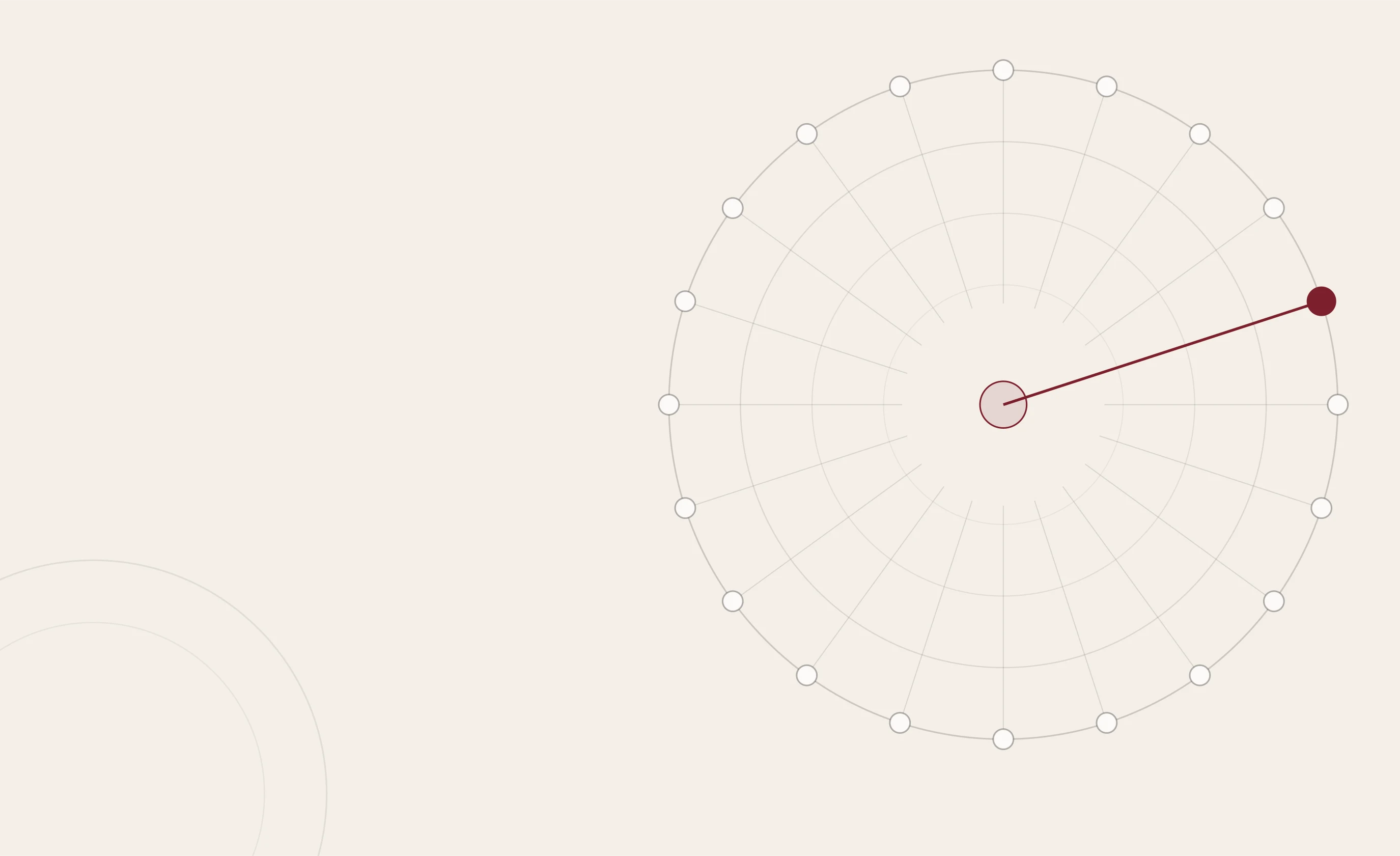
Twenty members. Twenty months. Every month the circle raises one pot, and one member takes it home. The month you take the pot is the month it becomes a loan. Every other month it is a savings plan that pays you a dividend.
- Save
- Bid
- Receive
Twenty members pay ₹5,000 each. That makes a pot of ₹1,00,000. Members bid by offering a discount; the largest discount wins the pot, and the discount — less our commission — comes back to everybody as a dividend.
- 20 members
- 20 months
- One pot a month
The plain facts
Four numbers, and where each one is explained
- ₹50k – ₹5L
- Chit values we run plans for. See plans and rhythms.
- From ₹85
- Smallest daily payment on our plans.
- 2024
- Year Sudhinam Chits Pvt Ltd was established.
- 9 AM – 5 PM
- Office hours at Padinjaragadi, Kerala.
Three rhythms, one scheme
The chit is the same whichever rhythm you choose. What changes is how the instalment lands against the way money actually arrives in your household or your shop — which is why the rhythm is worth choosing before the amount. Each one is set out in full on the plans page.
- Daily · from ₹85For a shop or stall with takings every day. Small amounts, collected often.
- WeeklyFor work paid by the week. Frequent, but not an errand every evening.
- MonthlyFor salaried members, and the usual rhythm for larger chit values.
The chit process
What happens, month by month
Nothing about a chit should be a surprise. This is the whole cycle, and it is the same every month for the length of the scheme.
The group forms
A chit opens with a fixed number of members, a fixed instalment and a fixed number of months — twenty members over twenty months in our standard example. Every member knows the full shape of the commitment before the first payment.
Everyone pays in
Each member pays their instalment for the period, daily, weekly or monthly. Twenty members at ₹5,000 a month make a pot of ₹1,00,000.
The auction
Members who want the pot this month bid by offering a discount — a share of the pot they are willing to give up. The largest discount wins.
The pot is paid out
The winning member receives the pot less their discount. On a 25% bid against ₹1,00,000, that is ₹75,000 in hand this month.
The dividend comes back
The discount is not kept. After our commission, the rest is divided equally among every member — including the one who took the pot — and reduces what everybody pays next time.
Round again, until everyone has had a turn
The cycle repeats for the full term, and each member takes the pot once. When the last month closes, every member has both saved and, at some point, borrowed.
A worked month
Where every rupee goes on a 25% bid
₹1,00,000
The pot
Twenty members × ₹5,000. The full amount raised by the circle this month.
₹75,000
To the winning member
The pot less the 25% discount they bid to win it. Paid in the same month.
₹5,000
Our commission
The foreman's commission for running the chit — the collection, the auction, the records and the payout.
₹20,000
Back to the members
The rest of the discount, divided equally among all twenty. ₹1,000 each, including the member who took the pot.
₹4,000
What next month costs
The ₹1,000 dividend comes off the ₹5,000 instalment. A month with a large bid is a cheaper month for everybody else.
Before you join
The questions members ask first
Is a chit saving or borrowing?
Both, and that is the point of it. For the months when you do not take the pot, it behaves like a savings scheme that also pays you a dividend. For the one month when you do take it, it behaves like a loan you have been paying towards. Most members join for one of those two things and are pleasantly surprised by the other.
What happens if I do not want the pot early?
Nothing — you simply do not bid. Members who wait tend to receive a larger share of the pot when their turn comes, because later auctions usually attract smaller discounts. Waiting is a legitimate strategy, not a penalty.
What if I need money urgently?
That is when you bid, and it is what the auction is for. You give up a share of the pot to get it now instead of later, and the members who wait are compensated for that through the dividend. Everybody's incentive is visible in the same number.
What does Sudhinam Chits earn?
A commission taken from the discount at each auction — ₹5,000 in the twenty-member example on this page. It comes out of the discount rather than out of your instalment, and it is the same every month. It pays for the collection, the auction, the records and the payout.
Can I pay daily instead of monthly?
Yes. Daily, weekly and monthly payment options are all available, and the choice is about the way money arrives for you rather than about the scheme itself. A shop with daily takings and a salaried household should not be paying on the same rhythm.
How much do I need to start?
Our plans run from ₹50,000 to ₹5,00,000 in chit value, with daily payments starting from ₹85. The right question is not the smallest instalment available but the largest one you are confident of keeping to for the whole term.
What should I ask before signing anything?
Ask for the chit agreement, the list of members, the instalment, the term and how the auction is conducted, and take them away to read. Any chit that hesitates over those documents is telling you something. There is an article on this site about exactly what to ask for.
Notes
Two things worth reading before you join anything
Written for people deciding, not for people who have already decided.
Registration
What the Registrar of Chits does — and what that protects
What sanction, filed agreements, minutes, inspection powers and a formal dispute route protect — and what registration cannot promise.
Choosing
Chit, loan or recurring deposit: which is doing what
A chit is a savings scheme and a borrowing scheme at the same time. What that means beside a personal loan and a recurring deposit, and when each one is the right answer.
Safety
How to judge whether a chit is safe to join
Registered chits are governed by the Chit Funds Act, 1982 and filed with a state Registrar. The documents to ask for, and what each one actually tells you.
Come and see the paperwork before you decide
The office is at Padinjaragadi, on the Ponnani-Edappal Road opposite the Indian Oil petrol pump, open 9 AM to 5 PM. Write first if you would rather, and tell us what you are saving for.