Total members: 20
The circle is closed. Twenty places, and every member takes the pot exactly once across the term.
The scheme
Twenty members, twenty months, one pot a month, and an auction that decides who takes it. Every figure below is the standard example we use when explaining a chit at the counter, and every rupee in it is accounted for.
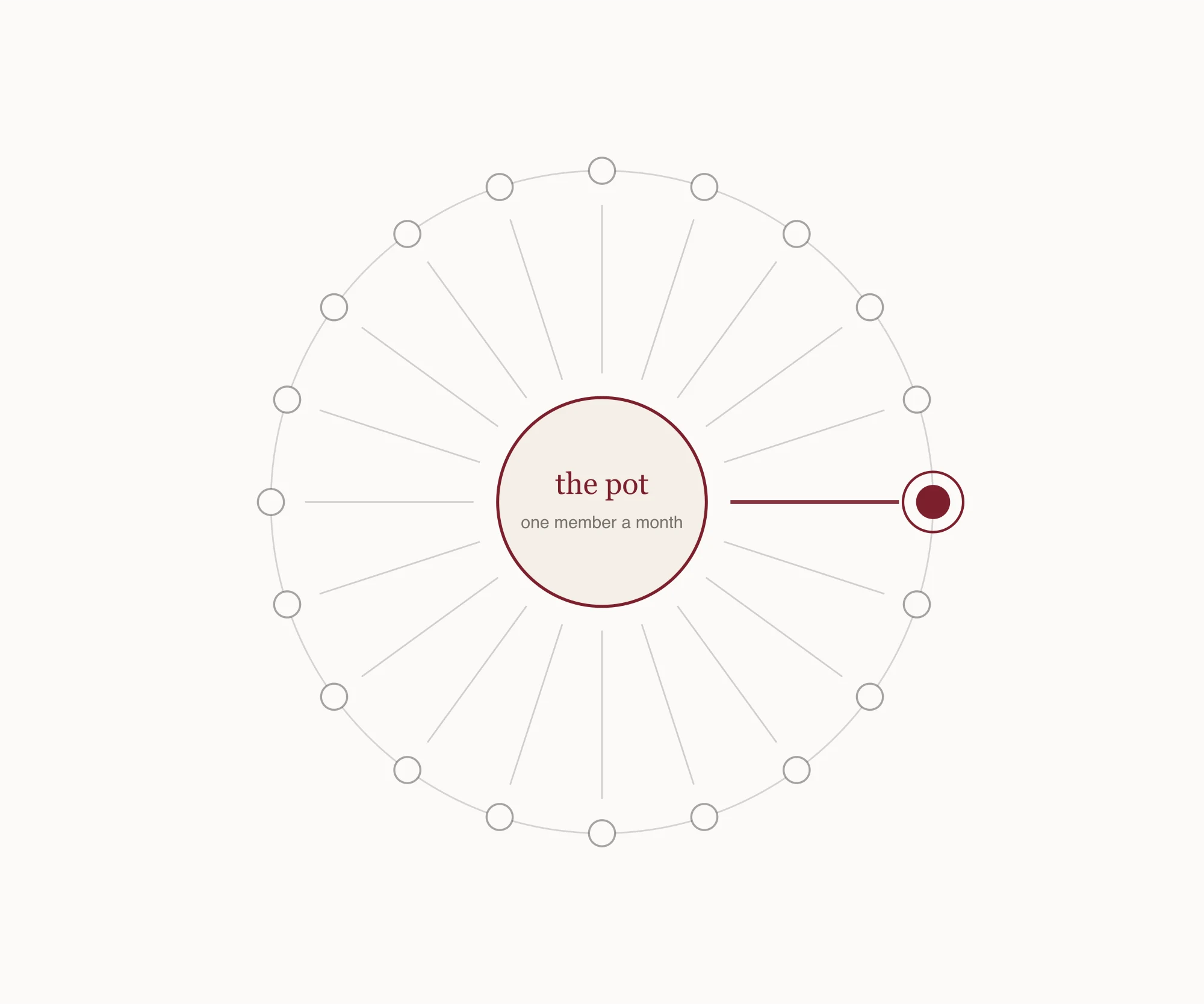
Scheme overview
Everything in a chit is fixed at the start except who wins each month. That is what makes it possible to decide sensibly before joining.
The circle is closed. Twenty places, and every member takes the pot exactly once across the term.
One month for each member. The scheme ends when the last member has had their turn.
Per member, per month, before any dividend is applied. The dividend reduces it in practice.
Twenty members × ₹5,000. The full amount available to one member each month.
Taken from the discount at auction, not from the instalment. In the 25% example below, that is the foreman's share.
How the auction works
This is the part that makes a chit different from every other savings product, and the part worth understanding properly before you join one.
Anybody who wants the pot this month states a percentage of it they are willing to give up. Nobody has to bid, and in most months only a few members do.
The member prepared to forgo the most takes the pot. That is the auction: the price of getting the money now is paid to the members who are content to wait.
A 25% bid against a ₹1,00,000 pot pays out ₹75,000. The ₹25,000 that was bid away does not vanish, and it does not stay with us.
₹5,000 of that ₹25,000 is the foreman's commission for running the chit — collection, auction, records and payout. It is fixed and it comes from the discount, never from your instalment.
The remaining ₹20,000 is split equally across all twenty members — including the one who just won — so everybody receives ₹1,000 that month.
That ₹1,000 dividend comes off your next ₹5,000 payment, so you pay ₹4,000. A month with a big bid is a cheaper month for everybody who waited.
You pay in every month and collect a dividend every month that somebody else bids. Over the term those dividends reduce what you actually pay, and at the end you take a pot that has usually attracted a smaller discount than the early ones.
This is the closest a chit comes to behaving like a savings scheme, and it is why patient members often do best. What you give up is flexibility: you have committed the instalment for the whole term whether or not the money is convenient in month eleven.
Compare it with a recurring deposit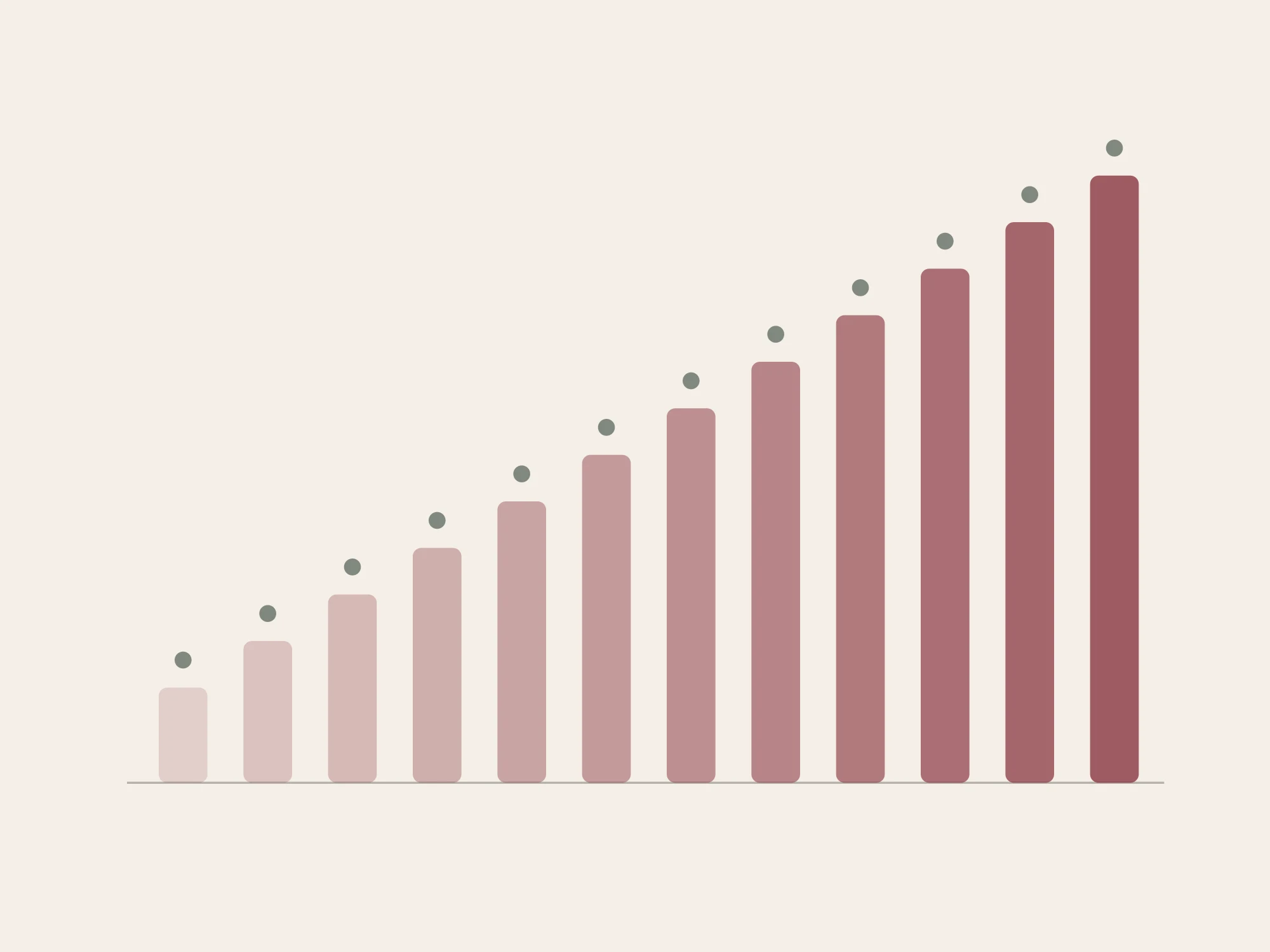
You bid, and if your discount is the largest you take the money. On a 25% bid you receive ₹75,000 having paid in ₹15,000 so far, and you keep paying the instalment for the remaining seventeen months.
The discount is the cost of getting it early, and it is transparent in a way that few other arrangements are: you can see exactly what you gave up and exactly who received it. Compare that with the total cost of a personal loan over the same period before deciding which is dearer.
Compare it with a personal loan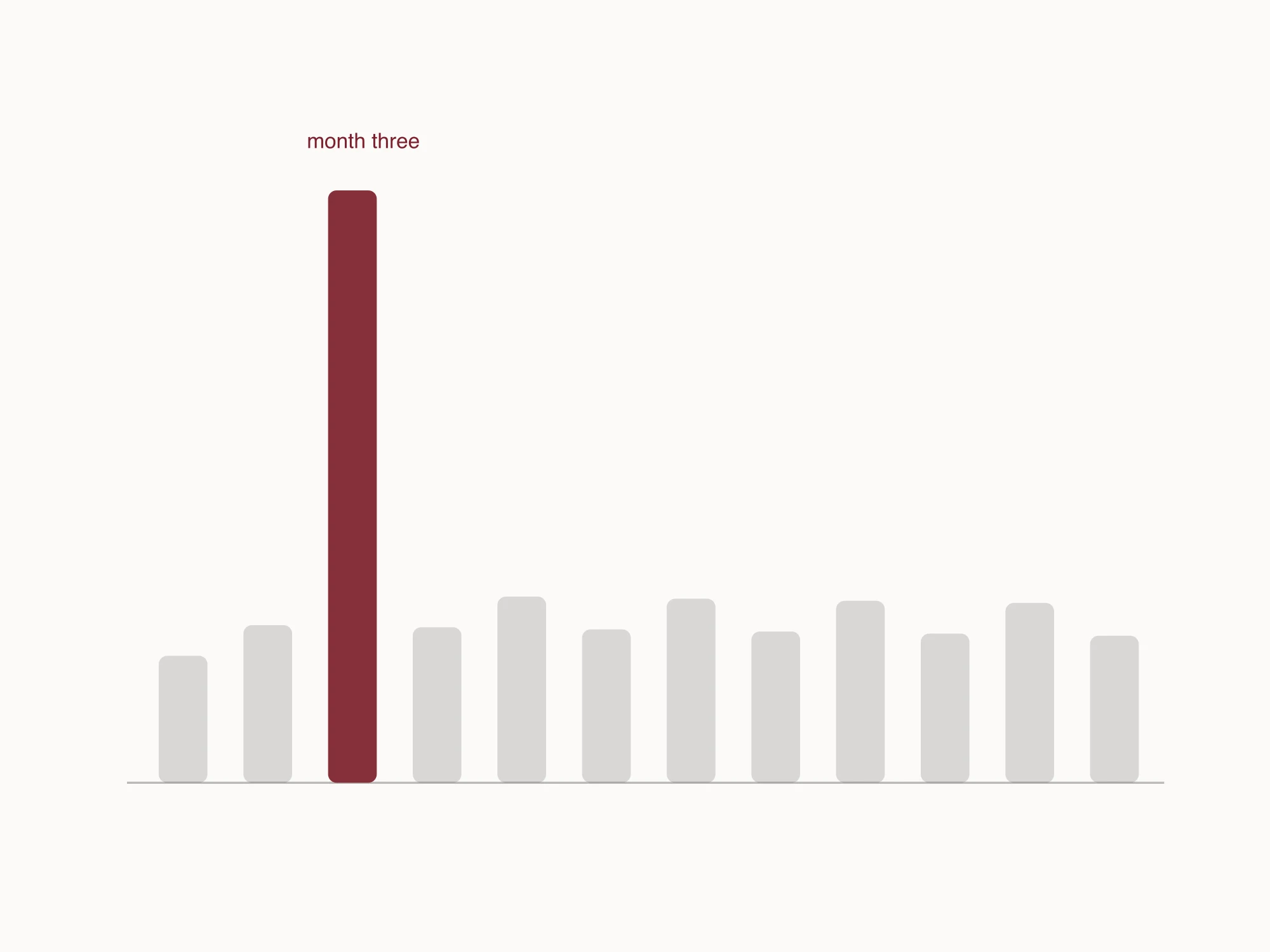
About the scheme
They are the standard twenty-member example we use to explain the mechanism, not a price list. Chit value, member count, term and instalment vary by plan; the arithmetic works the same way at every size, which is what the calculator is for.
The chit agreement sets out how a tie is resolved, and you should read that clause before joining any chit — including this one. It is one of the questions the article on judging a chit tells you to ask.
The agreement covers this too, and the usual outcome is that the pot goes to a member who has not yet taken one, with no discount and therefore no dividend that month. It is a normal event, not a failure.
Yes, because it depends on the discount bid that month. Early months in a chit typically attract larger discounts and therefore larger dividends; later months usually attract smaller ones.
No. It comes out of the discount at auction. In a month where no discount is bid, there is no dividend and the commission arrangement is as set out in the agreement — which is, again, a document worth reading rather than a promise worth hearing.
A chit depends on every member continuing, which is why the agreement sets out what happens on default and why membership is not open to everybody who asks. Ask us how we handle it; it is a fair question and there is a written answer.
The calculator on this site takes a chit value, a member count and a winning bid and shows the payout, the commission, the dividend and what the month costs you.